What I Can Help With
National & International Science Policy
Developing science and technology policy strategies addressing national research priorities, federal R&D investment, research governance, international scientific cooperation and competition, science diplomacy, and emerging technology policy. Advising on the institutions, partnerships, and international standards that influence U.S. scientific leadership and competitiveness.Emerging Technology & Scientific Diligence
Assessing where new technologies are genuinely ready, where the evidence is thin, what risks are being missed, and which opportunities merit investment, partnership, or further development across biotechnology, AI, quantum computing, neuroscience, gene editing, and brain organoids.Venture & Commercialization Strategy
Scientific and market diligence, IP positioning, translational milestones, SBIR and other non-dilutive funding strategy, venture formation, and partnership development for research-based technologies.Cross-Sector Partnerships
Structuring collaborations across government, universities, industry, and philanthropy, including roles, funding models, governance, incentives, and the practical work required to keep complex partnerships moving.Research & Portfolio Strategy
Reviewing research portfolios, identifying gaps and duplication, setting priorities, designing new programs, and deciding what to expand, consolidate, or stop.Institutional, Program & Workforce Strategy
Designing research programs, governance, incentives, workforce initiatives, and career pathways for universities, research organizations, scientific societies, and other institutions responding to changes in science, funding, technology, and careers.
Engagements include strategic advisory work, executive briefings, workshops, commissioned analysis, and project-based collaborations.Projects range from developing national and international science policy strategies and evaluating emerging technologies to assessing research portfolios, designing institutional programs, advancing commercialization, and building partnerships across government, academia, industry, and philanthropy.Across research, policy, industry, venture advising, funding review, and professional service, my work has involved organizations including:NASEM; Johnson & Johnson Innovation; Merck; Pfizer; Takeda; Dow; DOE; NIH; NSF; FDA; BARDA; ARPA-H; USDA; NIST; Johns Hopkins Medicine; the University of Pennsylvania; the University of Maryland; Columbia University; the Harvard Stem Cell Institute; MIT; Stanford University; UC San Diego; UCLA; the New York Stem Cell Foundation; Fralin Biomedical Research Institute at VTC; the American Physiological Society; the Society for Neuroscience; AAAS; AIP; the Autism Research Institute; the Simons Foundation; Pew; CSIS; the Federation of American Scientists; Halo Science; the Abell Foundation; the University of Maryland Momentum Fund; Thermo Fisher Scientific; Axion Biosystems; and Sophion Bioscience, among others.
Thought leadership
I write about how science is funded, organized, translated, and governed and about the institutional changes needed to keep the U.S. research enterprise competitive, resilient, and capable of turning discovery into impact.
Selected Recent Writngs
American Science Needs a National Research Enterprise Council
Why the U.S. research system needs a durable way to coordinate priorities across government, universities, industry, and philanthropy.
Read →Future Scientific Innovation Requires the Transformative Power of Philanthropy
How philanthropy can operate as a distinct force alongside government, universities, and industry in the research enterprise.
Read →Accelerating Innovation From Lab to Market
Why moving research into use requires more than good science — and where universities often get stuck.
Read →
Background

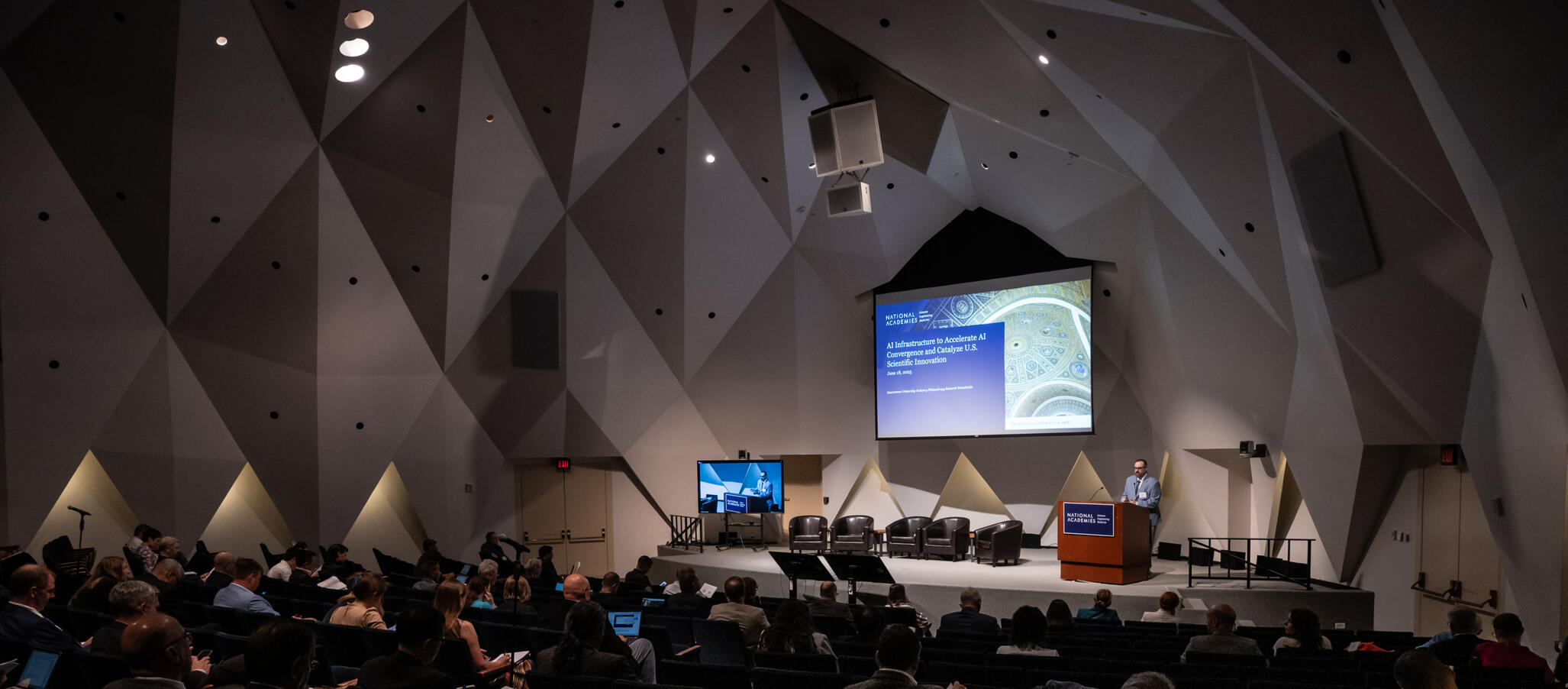
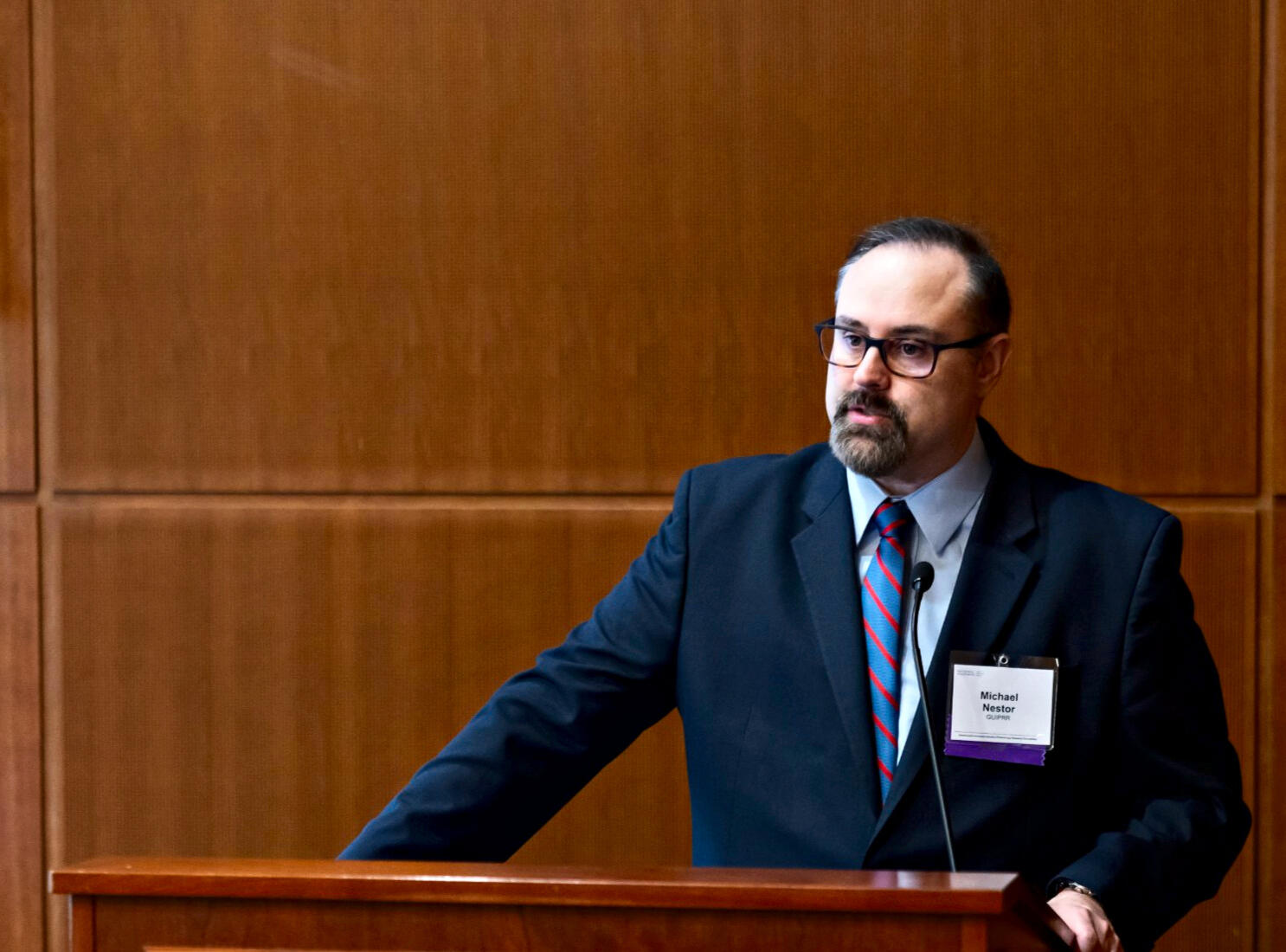
Michael W. Nestor, Ph.D., is a science policy leader and neuroscientist. He has run research programs, built biotech ventures, worked in industry and the federal government, and led national cross-sector science-policy work at the National Academies. He currently serves as Director of Government Funding & Strategic Partnerships at GE HealthCare.Previously, Nestor led the Government-University-Industry-Philanthropy Research Roundtable (GUIPRR) at the National Academies of Sciences, Engineering, and Medicine. GUIPRR is the National Academies’ oldest roundtable and a national leadership forum bringing together senior figures from government, universities, industry, and philanthropy. Nestor ran its strategy and operations, led the effort to formally bring philanthropy into the roundtable, and helped shape its work on research funding, commercialization, public-private partnerships, and U.S. scientific competitiveness.Before the National Academies, he was Scientific Engagement Lead at Johnson & Johnson Innovation–JLABS, where he worked on external innovation, startup science, and partnerships with government and universities. He also served as an AAAS Science & Technology Policy Fellow at the U.S. Department of Energy, representing DOE in interagency work through the National Science and Technology Council. His work included biosecurity, synthetic biology, artificial intelligence, biological defense, and other emerging technologies.Nestor continues an active research program in neuroscience focused on human stem-cell and brain-organoid models. He has built and led research programs in this area, developed high-throughput organoid screening systems, and advanced human stem-cell models toward drug discovery and translational research. His group was among the early teams to use electrophysiology and high-content screening in human brain organoids, including the first published multi-electrode-array recordings from human stem-cell-derived brain organoids.Nestor also founded Autica Bio, where he has led scientific and platform strategy around brain-organoid-based drug discovery for neurodevelopmental disorders. The company developed a CRISPR-compatible phenotypic screening platform designed to connect functional genomics with human neural models and therapeutic discovery. He has also advised academic research teams on intellectual property, commercialization, SBIR strategy, and the transition from laboratory research to new ventures.His scientific and policy work has appeared in numerous peer-reviewed journals, including Nature and PNAS, and spans neuroscience, stem cells, organoids, gene editing, bioethics, and science policy.Nestor is co-author of Anticipatory Ethics and the Use of CRISPR in Humans, the first anticipatory ethical study of CRISPR in humans, with a second edition now forthcoming, and is writing Governing at the Edge of Convergence: Anticipatory Ethics for Artificial Intelligence, Synthetic Biology, and Quantum Computing.Both books published by Springer/Nature examine a problem that has become central to his work: how to govern powerful technologies before their consequences outrun the institutions responsible for them.Nestor earned his Ph.D. in neuroscience from the University of Maryland School of Medicine. He completed postdoctoral training as an IRTA fellow at the National Institutes of Health and an IRACDA fellow at Rutgers University, and trained at the New York Stem Cell Foundation, where he later served as a staff scientist. He is an honorary member of the National Academy of Inventors.
Let's Connect
Get in touch
For advisory work, speaking invitations, writing, or other collaborations, you can reach me directly below.